

This analysis draws on the Fifth Rapid Damage and Needs Assessment (RDNA5) of Ukraine, published by the World Bank to show how conflict damage translates into losses, reconstruction needs, financing pressure, and delivery constraints over time. Unlike the core Fiscal Hydraulics Scan, Diagnostic, and Workshop offers, which test bounded flow constraints within specific parts of a sovereign system, this work operates at the level of the wider reconstruction system. It brings finance, coordination, absorptive capacity, and execution into a single picture so that reconstruction bottlenecks can be visualised and diagnosed.
What connects this conflict system map to the sovereign diagnostic services is the underlying way of thinking and doing: tracing how resources move, identifying where they slow, and testing what is shaping delivery under pressure. This makes it useful for supporting governments, donors, and private-sector partners to understand system bottlenecks, visualise reconstruction dynamics, and work through practical solutions together.
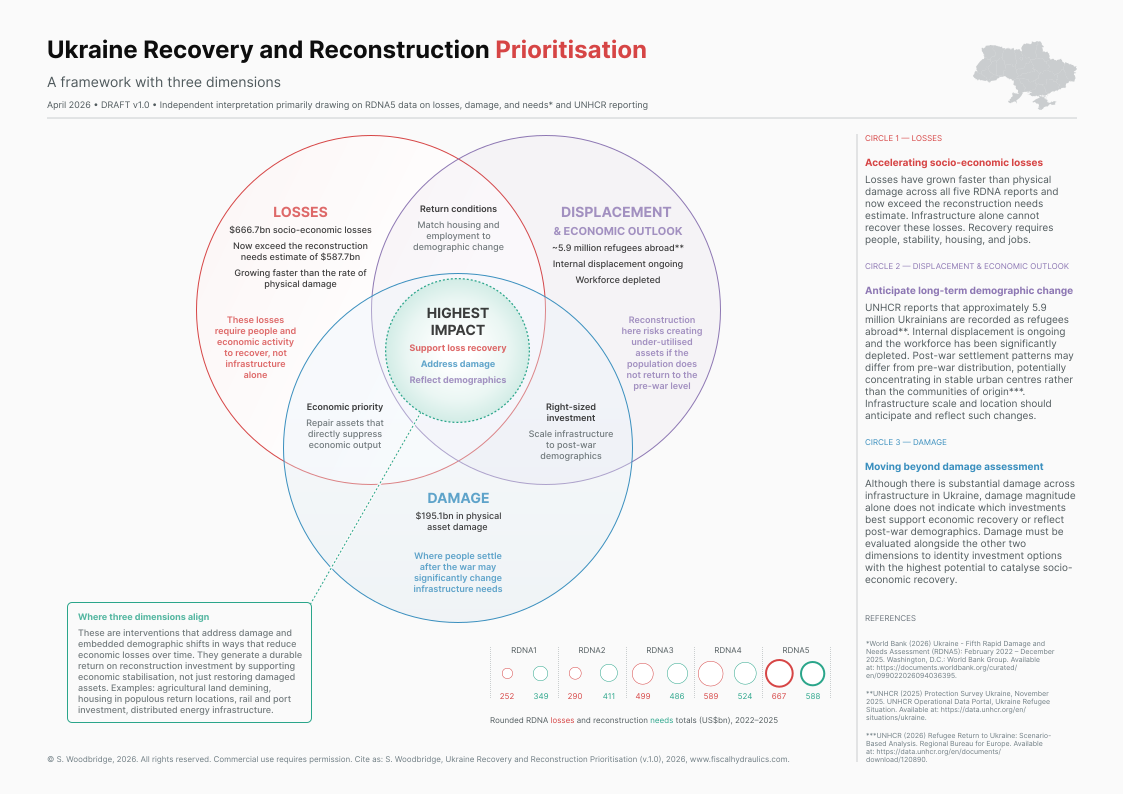
This diagram draws on the same RDNA data series alongside UNHCR reporting on displacement and population outlook to propose a three-dimensional framework for reconstruction prioritisation. Socio-economic losses now exceed the headline reconstruction needs estimate. Infrastructure alone cannot close that gap. The diagram shows how targeting the intersection of damage, losses, and demographics can improve the long-term impact of reconstruction investment.
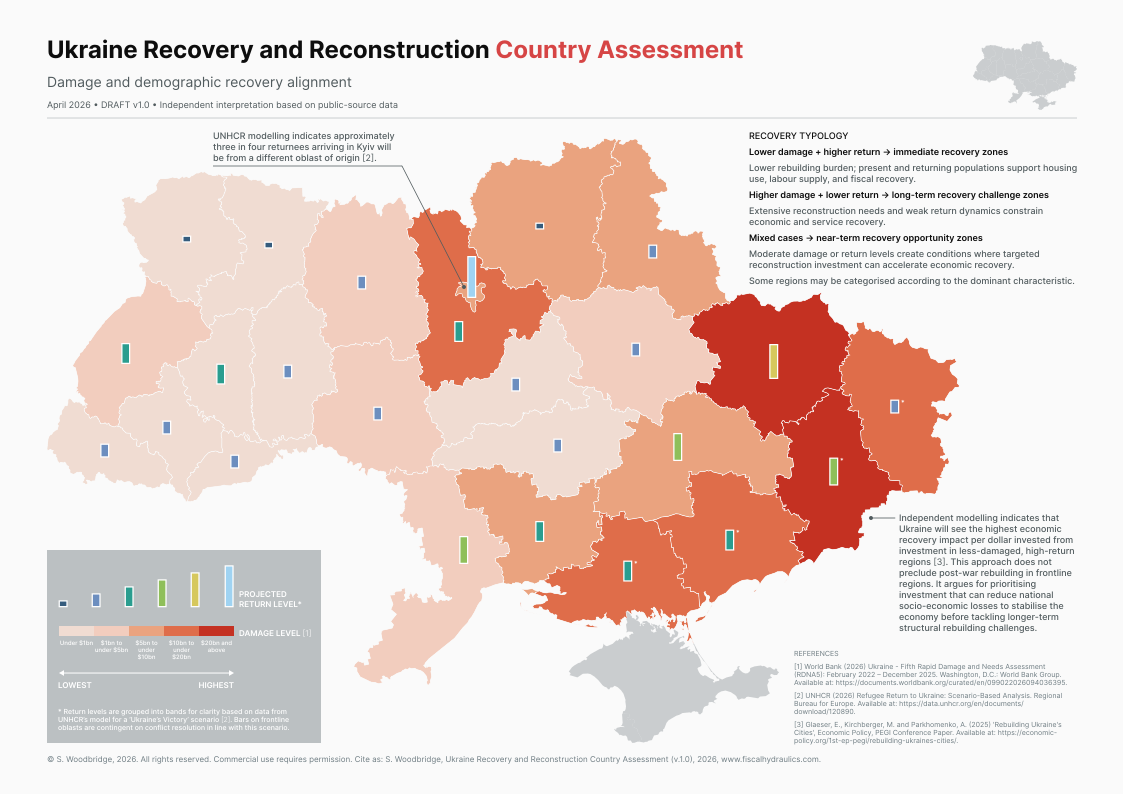
Applying the three-dimensional prioritisation framework to RDNA5 damage data and UNHCR return modelling produces a geographic picture of recovery typologies across Ukraine’s oblasts. The map overlays projected returnee concentration, drawn from UNHCR’s scenario-based analysis for the ‘Ukraine’s Victory’ scenario, onto oblast-level damage data from RDNA5. The result shows where the conditions for near-term recovery are strongest, where structural constraints on economic recovery are most significant, and where targeted sequencing of investment could accelerate recovery in mixed cases.
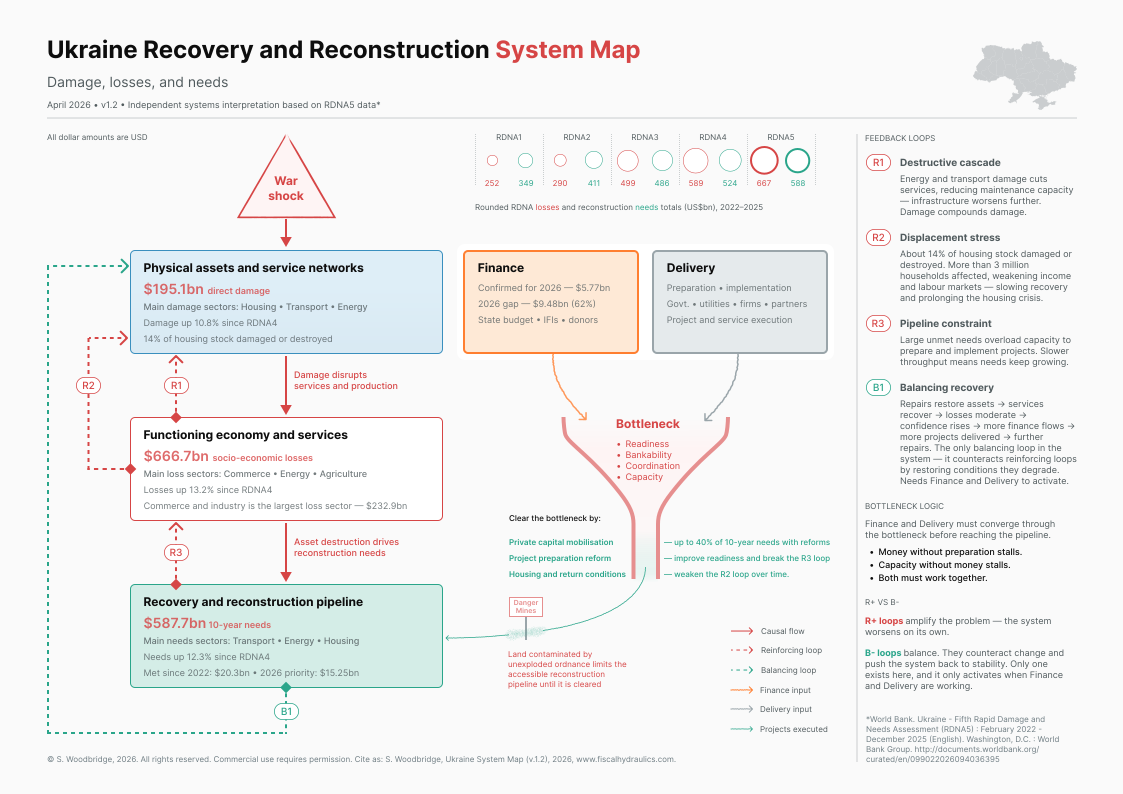
The Fiscal Hydraulics approach traces how resources move through systems under pressure, identifies where they slow, and tests what is shaping delivery. In a sovereign crisis-finance context, that means following emergency funding from activation through to last-mile delivery. In a reconstruction context, it means following reconstruction finance from commitment through to executed projects and services.
The Ukraine analysis above shows what this looks like in practice. The system map identifies where reconstruction stalls and why. The prioritisation framework shows how investment choices can be improved by looking beyond damage alone. The country assessment shows what that framework produces when applied to oblast-level data.
This form of analysis can also be applied in other conflict-affected and post-crisis settings, whether as a standalone commission, as part of programme design, or as a diagnostic input to investment targeting and recovery planning.